A configuration sheet starts a conversation. The agreed drawing and order documentation define what is supplied.
Check the vessel and frame together
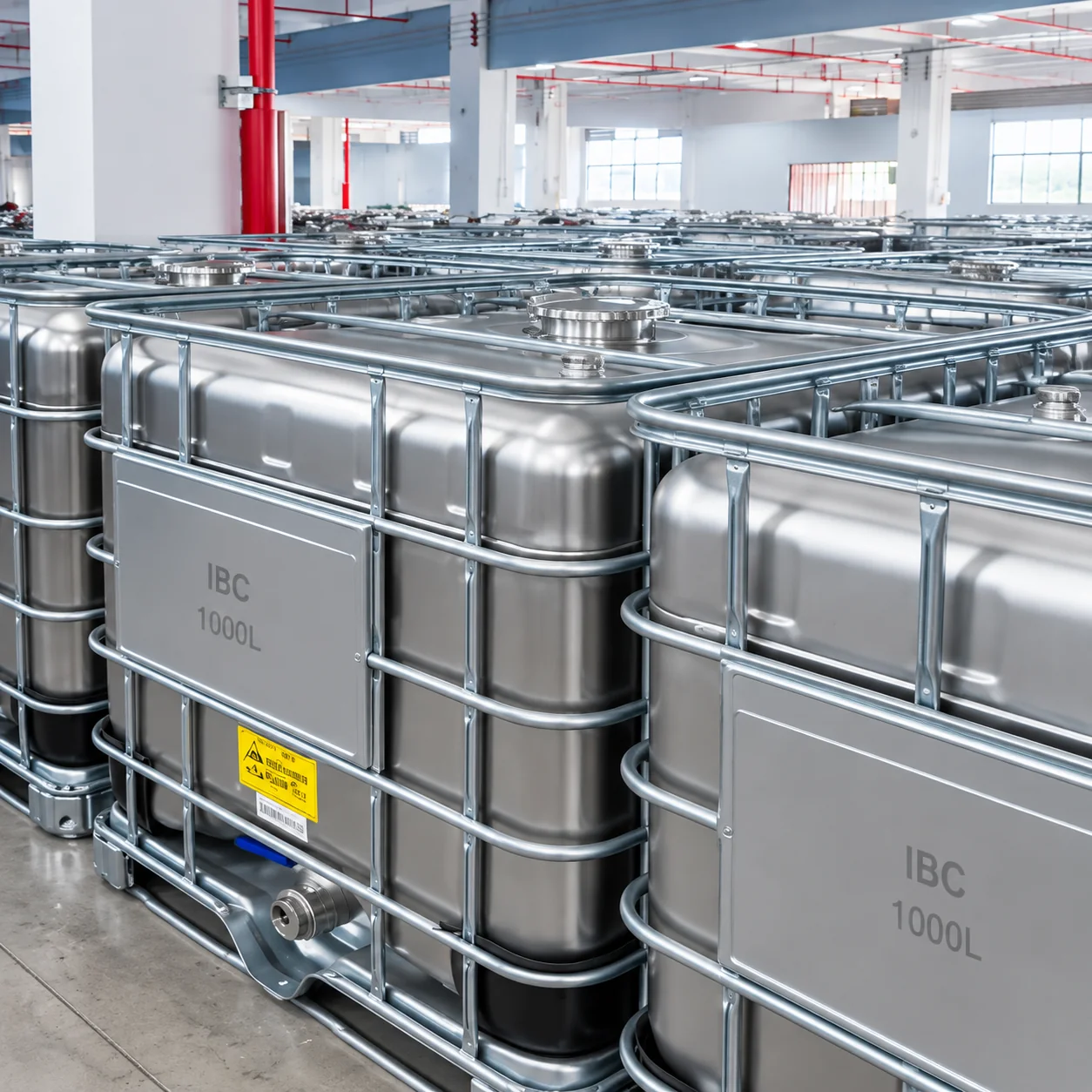
Verify the model, external dimensions, material and specified wall thickness. Review the position of the filling opening and outlet, including the space needed to operate fittings. Compare these dimensions with your filling and discharge areas.
Confirm handling assumptions
Record the proposed lifting and transport method. Ask for the permitted operating load and any relevant restrictions for the selected configuration. Do not infer pressure capability, stacking limits or transport approval from the general appearance of the container.
Agree the documentation
List the drawings, material records and inspection documents required for the order. If your application has a certification requirement, agree its exact scope before production. Neither a stainless steel body nor a protective frame establishes approval for dangerous-goods transport or food contact.
Prepare to receive the shipment
Agree packing and unloading arrangements. On receipt, compare model identifiers and the delivered fittings with the order, inspect for visible transit damage and record any discrepancy before putting the unit into service. Cleaning and commissioning procedures must suit the intended contents and site requirements.